
Calculating the computational performance of a graphics card (VGA)
Author: abcdefg85Executions: 12006
※ This library was created by a member. This site is not responsible for its content.
Calculates the floating-point performance of a graphics card based on the number of shader processors and the GPU clock speed.
Calculates the graphics card's floating-point performance (single precision).
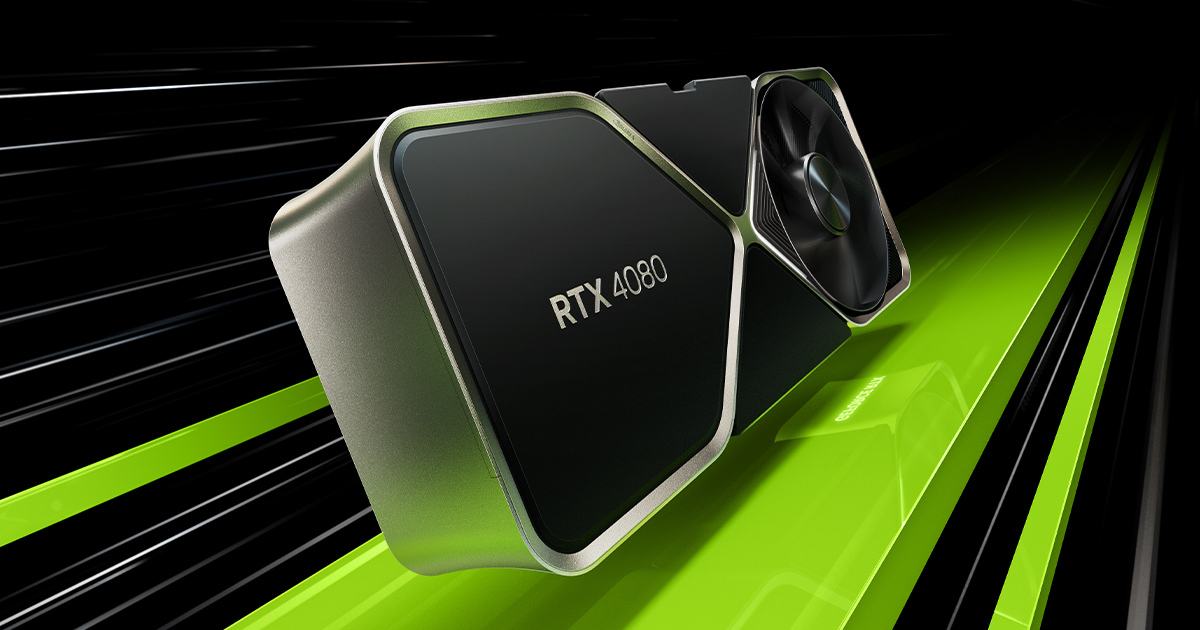
The default value is NVIDIA GeForce RTX 4080 16GB.
Please note that this floating-point performance is only a rough estimate. Use it as one indicator of your graphics card's performance.
*GPU Clock: Core clock (boost clock is also acceptable)
*Number of Shader Processors: For NVIDIA, this refers to the number of CUDA cores; for AMD, it refers to the number of streaming processors
*Reference
GeForce RTX 4090 82.575 TFlops
Radeon RX 7900 XTX 30.708 TFlops
GeForce RTX 3080 10GB 29.768 TFlops
GeForce RTX 4070 29.204 TFlops
Radeon RX 6900 XT 23.04 TFlops
GeForce RTX 3060 8GB 12.759 TFlops
Radeon RX Vega 64 12.665 TFlops
Xbox Series X 12.15 TFlops
PS5 10.28 TFlops
Radeon RX 5700 XT 9.754 TFlops
GeForce GTX 1660 Ti 5.437 TFlops
GeForce GTX 1060 6GB 4.372 TFlops
GeForce GTX 1050 1.862 TFlops
No customer feedback for this calculation yet.